
The Ultimate Guide
How to Set Goals
Goal setting isn't about willpower — it's about clarity and systems. Here's a calm, five-step way to set goals you'll actually reach.
Most goals don't fail because people are lazy. They fail because the goal was vague, too big, or disconnected from anything that happens on an ordinary Tuesday. Learning how to set goals well is really about designing conditions where following through becomes the natural path.
This guide gives you a simple, repeatable framework — the same one we use across every life area. It fits neatly inside a broader life plan and the practice of intentional living.
Start with a clean page
Download the free 7-Day Future Blueprint
A gentle, guided worksheet to clarify what you want and turn it into your first goals and next steps — the simplest way to begin.
Get the free blueprintStep one
Start with why the goal matters
A goal without a reason rarely survives a hard week. Before you set anything, get clear on why it matters to you and how it connects to the life you're building. This 'why' is the fuel that keeps you going when motivation fades.
Read the Ultimate Guide to PurposeStep two
Make it specific and measurable
Vague goals produce vague results. Turn 'get healthier' into something you can actually see — a number, a frequency, a clear finish line. When you can measure a goal, you can tell whether you're moving toward it.
Use the free Goal PlannerStep three
Right-size the goal
Most goals fail because they're too big to start. Shrink the goal until the first step feels almost easy, then let momentum grow it. An achievable goal you begin beats an ambitious one you avoid.
Read the Ultimate Guide to GoalsStep four
Attach it to a daily habit
Goals are reached through systems, not bursts of willpower. Translate each goal into a small, repeatable habit and anchor it to something you already do. Consistency, not intensity, is what carries a goal across the line.
Read the Ultimate Guide to HabitsStep five
Track, review, and adjust
What gets reviewed gets done. Check your progress regularly, celebrate small wins, and adjust the goal as you learn. Goal setting is a loop, not a one-time event — the review is where most of the growth happens.
See the full Design Your Future frameworkReflection prompts
Sit with these before you set anything. Clear answers make better goals.
- Why does this goal actually matter to you — beyond how it sounds to others?
- If you could only keep three goals this year, which would they be?
- What's the smallest possible first step you could take today?
- Which daily habit, repeated for a year, would make this goal almost inevitable?
Recommended at this stage
Resources to go deeper
Once you've set your goals, these carefully selected resources can help you follow through. Explore one only if it feels relevant to where you are.

Something you may find useful
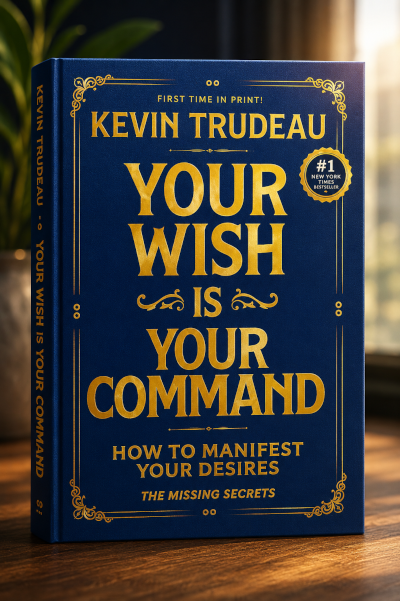
BookYour Wish Is Your Command
A reflective book about turning vague hopes into a clear, written vision — and letting that clarity quietly shape the choices you make each day. Many readers use it as a companion to their own goal and vision work.
Why it may be relevant: It tends to be most relevant once you've started clarifying what you want and are ready to deepen your sense of direction.
Read the BookAffiliate disclosure: This page may contain affiliate links. If you choose to purchase through these links, I may receive a commission at no additional cost to you. I only recommend resources that I believe may provide value.
Something you may find useful
BookFree Your Wish
Free Your Wish explores how hidden limits around desire, permission, and possibility quietly shape the life you build. It invites readers to examine the beliefs that constrain their wishes, then practice wanting and moving toward what matters with less guilt and more clarity.
Why it may be relevant: It may be relevant after you've started clarifying what you want and notice internal resistance appearing whenever the wish gets bigger.
Read the BookAffiliate disclosure: This page may contain affiliate links. If you choose to purchase through these links, I may receive a commission at no additional cost to you. I only recommend resources that I believe may provide value.

Something you may find useful
Daily WellnessWorld's Best Nutritionals Daily
For people building consistent daily rituals, some like having a simple, repeatable element in their wellness routine. Shared purely as part of general routine-building education.
Why it may be relevant: It may be relevant once you've explored daily-habit and morning-routine education and want to add consistency to your rituals.
Shared as part of general wellness-routine education only. We make no health or medical claims — always consult a qualified professional.
Explore Daily NutritionAffiliate disclosure: This page may contain affiliate links. If you choose to purchase through these links, I may receive a commission at no additional cost to you. I only recommend resources that I believe may provide value.
Affiliate disclosure: This page may contain affiliate links. If you choose to purchase through these links, I may receive a commission at no additional cost to you. I only recommend resources that I believe may provide value.
Frequently asked questions
How do you set goals effectively?
Effective goal setting starts with clarity about why the goal matters, then makes the goal specific and measurable, breaks it into small next steps, and attaches it to a habit you can repeat. The most reliable goals are connected to your values and tracked with a simple, regular review.
What are SMART goals?
SMART is a checklist that makes a goal easier to act on: Specific, Measurable, Achievable, Relevant, and Time-bound. It's a useful test — but it works best when the goal is already rooted in something you genuinely care about, not just well-formatted.
How many goals should I set at once?
Fewer than you think. Three to five priority goals is plenty for most people. A short list you actually pursue beats a long list you abandon — focus is what turns goals into results.
Why do I keep failing to reach my goals?
Usually because the goal was too big, too vague, or disconnected from a daily habit. Reaching goals is less about motivation and more about systems: shrink the goal, define the very next action, and build a small repeatable habit that carries you forward even on low-energy days.
Keep going, one goal at a time
Get occasional, calm guidance on clarity, goals, and intentional living — or jump straight into the guided starting path.
Or follow the Start Here path