
The Ultimate Guide
Life Planning: How to Make a Life Plan
A life plan turns 'I want a better life' into a clear, reviewable direction. Here's a calm, five-step way to build one you'll actually follow.
Most people never write a life plan. They move from one busy week to the next, hoping things will somehow add up to the life they wanted. Life planning replaces that hope with intention — a simple, honest process for deciding how you want to live and building toward it on purpose.
You don't need a rigid ten-year forecast. A good life plan is flexible and alive: a clear direction, a few meaningful goals, and small habits you can sustain. This guide walks you through the same five steps we use across every life area, and pairs naturally with our Design Your Future framework.
Start with a clean page
Download the free 7-Day Future Blueprint
A gentle, guided worksheet that walks you through your first life plan — clarify what you want and map your first steps in a single afternoon.
Get the free blueprintStep one
Take honest stock of where you are
Every good life plan starts with an honest snapshot. Look across each major area of your life — health, work, relationships, money, growth — and rate where you actually stand today. This baseline shows you where the gap between your current and desired life is widest.
Try the Life Wheel AssessmentStep two
Clarify the values behind the plan
A plan built on someone else's priorities won't last. Name the handful of values that genuinely matter to you, and let them guide every decision that follows. This is what makes life planning feel meaningful rather than mechanical.
Read the Ultimate Guide to PurposeStep three
Set a few goals that actually matter
From your vision, choose three to five priority goals — no more. A focused life plan beats an ambitious one you'll abandon. Each goal becomes a bridge from where you are now to the life you're designing.
Read the Ultimate Guide to GoalsStep four
Turn goals into daily habits and a timeline
Plans fail when they stay abstract. Break each goal into a small, repeatable habit and place milestones on a realistic timeline. Consistency — not intensity — is what carries a life plan from paper into reality.
Read the Ultimate Guide to HabitsStep five
Review, reflect, and adjust
A life plan is a living document. Check in monthly, review deeply each quarter, and adjust with kindness as you learn. The goal isn't a perfect plan — it's a life lived on purpose.
See the full Design Your Future frameworkReflection prompts
Sit with these before you draft your plan. Honest answers make every step easier.
- If you kept living exactly as you do now, where would you be in five years — and is that where you want to be?
- Which single area of your life, if improved, would lift all the others?
- What would 'a good life' actually look like for you, in your own words?
- What's one small step you could take this week that your future self would thank you for?
Recommended at this stage
Resources to go deeper
Once you've drafted your life plan, these carefully selected resources can help you deepen it. Explore one only if it feels relevant to where you are.

Something you may find useful
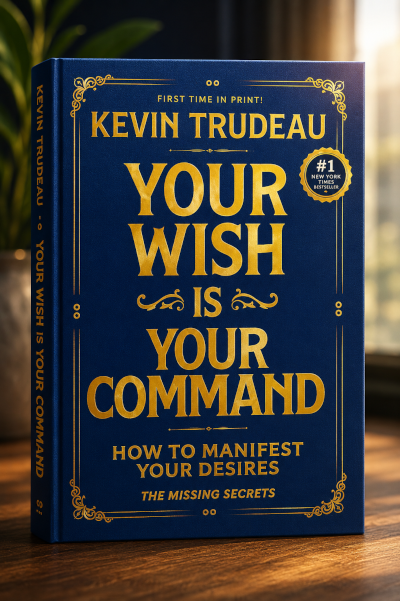
BookYour Wish Is Your Command
A reflective book about turning vague hopes into a clear, written vision — and letting that clarity quietly shape the choices you make each day. Many readers use it as a companion to their own goal and vision work.
Why it may be relevant: It tends to be most relevant once you've started clarifying what you want and are ready to deepen your sense of direction.
Read the BookAffiliate disclosure: This page may contain affiliate links. If you choose to purchase through these links, I may receive a commission at no additional cost to you. I only recommend resources that I believe may provide value.
Something you may find useful
BookFree Your Wish
Free Your Wish explores how hidden limits around desire, permission, and possibility quietly shape the life you build. It invites readers to examine the beliefs that constrain their wishes, then practice wanting and moving toward what matters with less guilt and more clarity.
Why it may be relevant: It may be relevant after you've started clarifying what you want and notice internal resistance appearing whenever the wish gets bigger.
Read the BookAffiliate disclosure: This page may contain affiliate links. If you choose to purchase through these links, I may receive a commission at no additional cost to you. I only recommend resources that I believe may provide value.

Something you may find useful
Daily WellnessWorld's Best Nutritionals Daily
For people building consistent daily rituals, some like having a simple, repeatable element in their wellness routine. Shared purely as part of general routine-building education.
Why it may be relevant: It may be relevant once you've explored daily-habit and morning-routine education and want to add consistency to your rituals.
Shared as part of general wellness-routine education only. We make no health or medical claims — always consult a qualified professional.
Explore Daily NutritionAffiliate disclosure: This page may contain affiliate links. If you choose to purchase through these links, I may receive a commission at no additional cost to you. I only recommend resources that I believe may provide value.
Affiliate disclosure: This page may contain affiliate links. If you choose to purchase through these links, I may receive a commission at no additional cost to you. I only recommend resources that I believe may provide value.
Frequently asked questions
What is life planning?
Life planning is the practice of intentionally deciding how you want to live across every important area — work, health, relationships, money, and growth — and then building the goals and habits that move you there. It turns a vague sense of 'I want a better life' into a clear, reviewable plan you can actually follow.
How do I make a life plan?
Start by taking stock of where you are, clarify your core values, picture the future you'd be proud of, then translate that vision into a few meaningful goals and small daily habits. Write it down in one place, and revisit it every few months. A simple life planning template or life wheel assessment makes the first draft much easier.
What should a life plan include?
A good life plan covers your values, a clear vision for each major life area, three to five priority goals, the habits that support them, and a review rhythm. It doesn't need to be long — clarity and consistency matter far more than length.
How often should I review my life plan?
Most people benefit from a quick monthly check-in and a deeper review every quarter. Life planning is a living practice, not a one-time document — you adjust as you learn, grow, and your priorities shift.
Keep planning, one step at a time
Get occasional, calm guidance on clarity, vision, and intentional living — or jump straight into the guided starting path.
Or follow the Start Here path