The 7 Habits of Highly Effective People
Stephen R. Covey
The 7 Habits of Highly Effective People
by Stephen R. Covey
A principle-centred framework for personal effectiveness, moving from self-mastery to working well with others.
Personal rating
Reading difficulty
Challenging
Recommended audience
Readers ready for a deeper, principle-centred system rather than quick wins.
Recommended reading order
Read once you want to connect habits, priorities, and relationships into one frame.
Why I chose to read it
I wanted a values-based operating system to sit beneath the individual tactics I was learning.
Book overview
This companion summarises Covey's progression from private victory (self-mastery) to public victory (working with others) and ongoing renewal.
It is an educational walkthrough of the seven habits, not the book itself.
Main ideas
- Be proactive: focus on what you can influence.
- Begin with the end in mind: define what matters before you act.
- Put first things first: align time with priorities.
- Think win-win and seek to understand before being understood.
Important lessons
- Act from principles, not moods.
- Define the end before choosing the means.
- Relationships compound like habits do.
Favourite ideas
- Begin with the end in mind.
- The main thing is to keep the main thing the main thing.
How it changed my thinking
It moved my focus from managing time to leading from principles and priorities.
Favourite quotes
"Most of us spend too much time on what is urgent and not enough time on what is important."
"Seek first to understand, then to be understood."
Reflection questions
- What lies inside my circle of influence that I'm ignoring?
- What 'end' am I building toward by default?
Exercises
- Draft a one-paragraph personal mission statement.
- Sort this week's tasks into urgent/important quadrants.
Who might enjoy this book
- Readers who want a values-based system rather than quick tactics.
- Anyone balancing personal goals with leading or collaborating.
Who may prefer other resources
- Readers wanting a fast, light read.
- Anyone who dislikes framework-heavy writing.
My honest thoughts
It rewards slow reading. The habits are simple to state and demanding to live; the value is in returning to them over years.
Related guide
The Ultimate Guide to GoalsRelated books
If this one resonated, these companions explore neighbouring ideas in the library.
Frequently asked questions
Is this a business book?
It applies to work, but it is fundamentally about personal character and effectiveness in any context.
Recommended at this stage
Other resources you might explore
These appear because they relate to what you've just read — never before. Explore one only if and when it feels relevant to you.

Something you may find useful
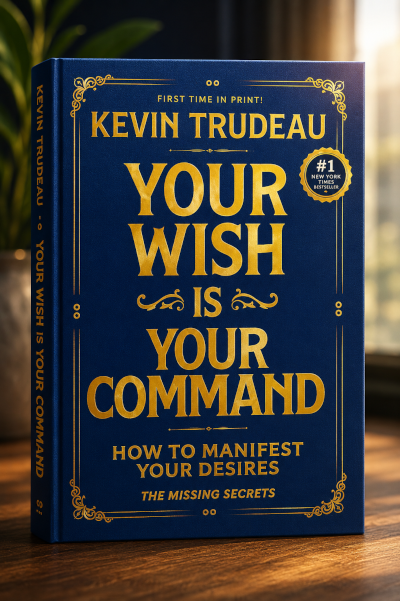
BookYour Wish Is Your Command
A reflective book about turning vague hopes into a clear, written vision — and letting that clarity quietly shape the choices you make each day. Many readers use it as a companion to their own goal and vision work.
Why it may be relevant: It tends to be most relevant once you've started clarifying what you want and are ready to deepen your sense of direction.
Read the BookAffiliate disclosure: This page may contain affiliate links. If you choose to purchase through these links, I may receive a commission at no additional cost to you. I only recommend resources that I believe may provide value.
Something you may find useful
BookFree Your Wish
Free Your Wish explores how hidden limits around desire, permission, and possibility quietly shape the life you build. It invites readers to examine the beliefs that constrain their wishes, then practice wanting and moving toward what matters with less guilt and more clarity.
Why it may be relevant: It may be relevant after you've started clarifying what you want and notice internal resistance appearing whenever the wish gets bigger.
Read the BookAffiliate disclosure: This page may contain affiliate links. If you choose to purchase through these links, I may receive a commission at no additional cost to you. I only recommend resources that I believe may provide value.
Affiliate disclosure: This page may contain affiliate links. If you choose to purchase through these links, I may receive a commission at no additional cost to you. I only recommend resources that I believe may provide value.
Affiliate disclosure: This page may contain affiliate links. If you choose to purchase through these links, I may receive a commission at no additional cost to you. I only recommend resources that I believe may provide value.